
Let’s be honest about what actually happens with collagen supplements.
You read something convincing, a study, a dermatologist interview, or a friend who swears her skin has changed, and you order a tub. It arrives. You use it for two weeks with genuine commitment. Then one rushed morning, you skip it, and then another, and somewhere around week four, the powder is still sitting on your kitchen counter with the scoop balanced on top, slightly accusatory.
This is not a niche experience. The global collagen supplement market is worth several billion dollars, but I’d wager a meaningful percentage of that is sitting unused in people’s homes. The ingredient is rarely the problem. Getting yourself to take it, every day, for long enough to matter—that’s where most routines quietly fall apart.
It’s an obvious problem that the industry has been slow to address. Which is why Vicky en France, a French nutricosmetic brand, caught my attention. Not because of a breakthrough ingredient claim, but because of a more mundane-sounding pitch: they think they’ve made a collagen ritual that people might actually stick to.

If You’ve Ever Abandoned a Supplement Habit, This Is About You
The science on collagen peptides is more solid than it once was. Consistent supplementation, the word “consistent” is doing a lot of work there, has been linked in multiple studies to improvements in skin hydration, elasticity, and dermal density. The catch is that these changes accumulate over weeks, not days. You have to keep going past the point where you’ve stopped noticing you’re doing it.
That’s where the format matters more than most brands let on. Powders require a scoop and something to mix them into. Capsules need to be near you at the right moment. Neither is difficult, exactly, but both have enough friction that a disrupted morning becomes a missed day and becomes a lapsed habit.
Vicky en France’s answer is a chewable collagen jelly—a single ready-to-eat stick called C’est la Berry, taken once a day. No preparation. No measuring. You eat it the way you’d eat a vitamin gummy, except the formula is considerably more thought-through than that comparison implies.
Is “it’s easier to eat” a revolutionary innovation? No. But it’s a genuinely practical one, and I’d rather a brand solve a real problem plainly than oversell a complicated solution.
The Bit That Actually Surprised Me: What’s in an Eggshell
I assumed eggshell membrane collagen was marketing language for something fairly ordinary. It’s not.
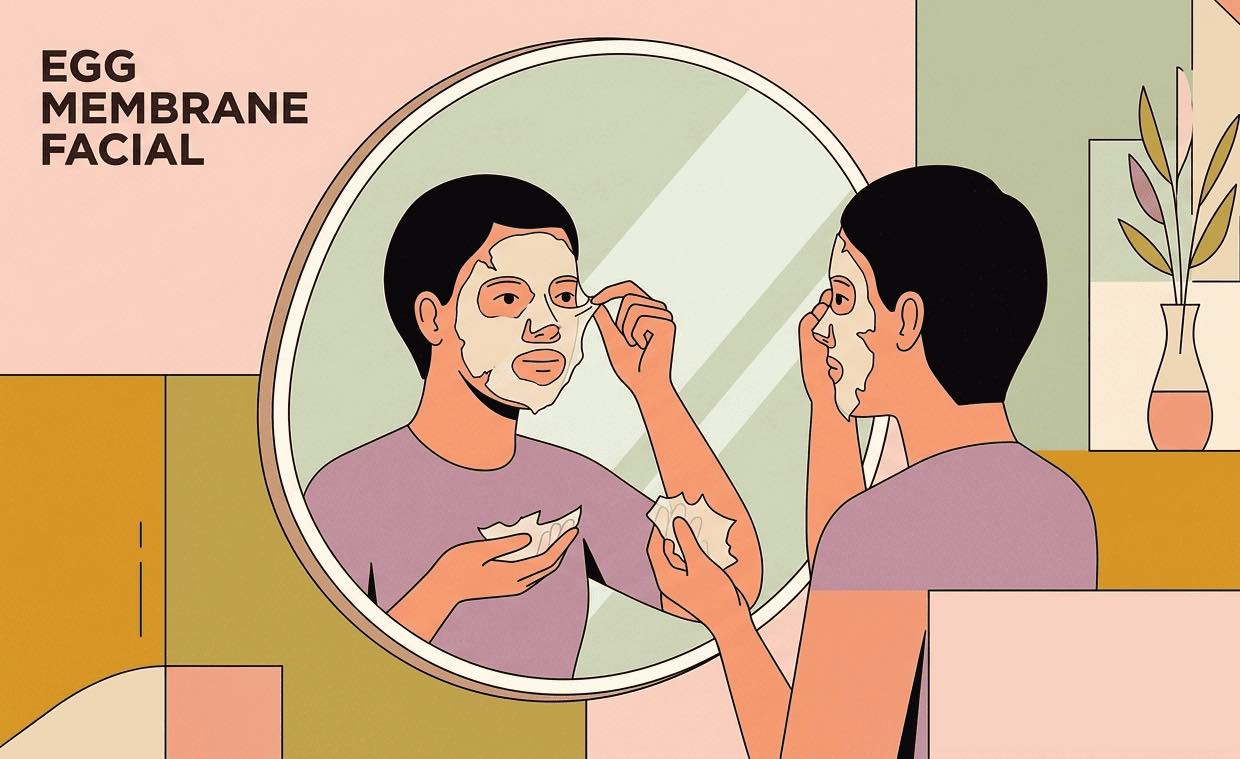
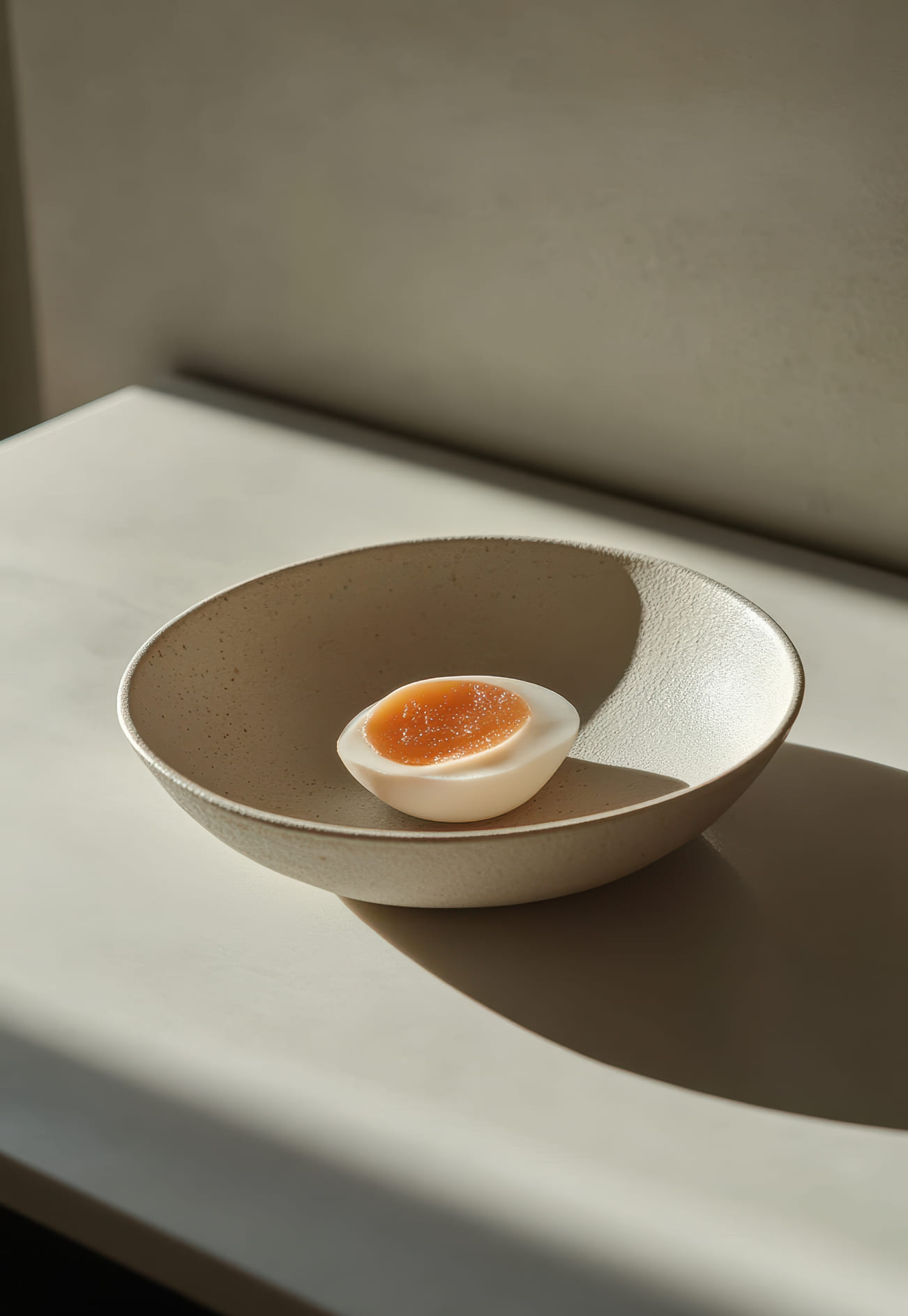
The membrane — that thin, papery film that clings to the inside of an eggshell and makes peeling a boiled egg faintly maddening — contains a remarkably dense network of structural proteins. Collagen types I, V, and X. Elastin. Hyaluronic acid. Glycosaminoglycans. Together they form something that resembles the extracellular matrix, the biological scaffolding responsible for skin’s strength and resilience.
What makes the ingredient worth paying attention to is the combination: rather than isolated collagen peptides, you’re getting something that more closely mirrors the way these components naturally occur in connective tissue. Studies examining hydrolysed eggshell membrane have reported potential stimulation of collagen synthesis alongside reduced activity of the enzymes that break collagen down, which, if it holds up in larger trials, is a more complete mechanism than simple peptide supplementation alone.
The research is still relatively early. I want to be clear about that. We’re not talking about decades of clinical evidence. But the mechanism is coherent, the ingredient is real, and it comes from a source—eggshell waste from the food industry—that would otherwise be landfilled. The sustainability angle isn’t bolted on; it’s genuinely structural to what the ingredient is.

What the Vicky en France Routine Actually Looks Like
The C’est la Berry jelly leads the ritual. Berry-flavoured, sweet without being cloying—honestly closer to a good quality vitamin gummy than anything that feels medicinal. That matters because if you don’t want to eat it, you won’t.
Alongside eggshell membrane collagen, the formula includes vitamin C for collagen synthesis, biotin for keratin support, glutathione as an antioxidant, and fructooligosaccharides—prebiotic fibres intended to support gut microbiome balance. The gut-skin relationship is an area where research is still developing, but the addition is low-risk, and the rationale is sound.
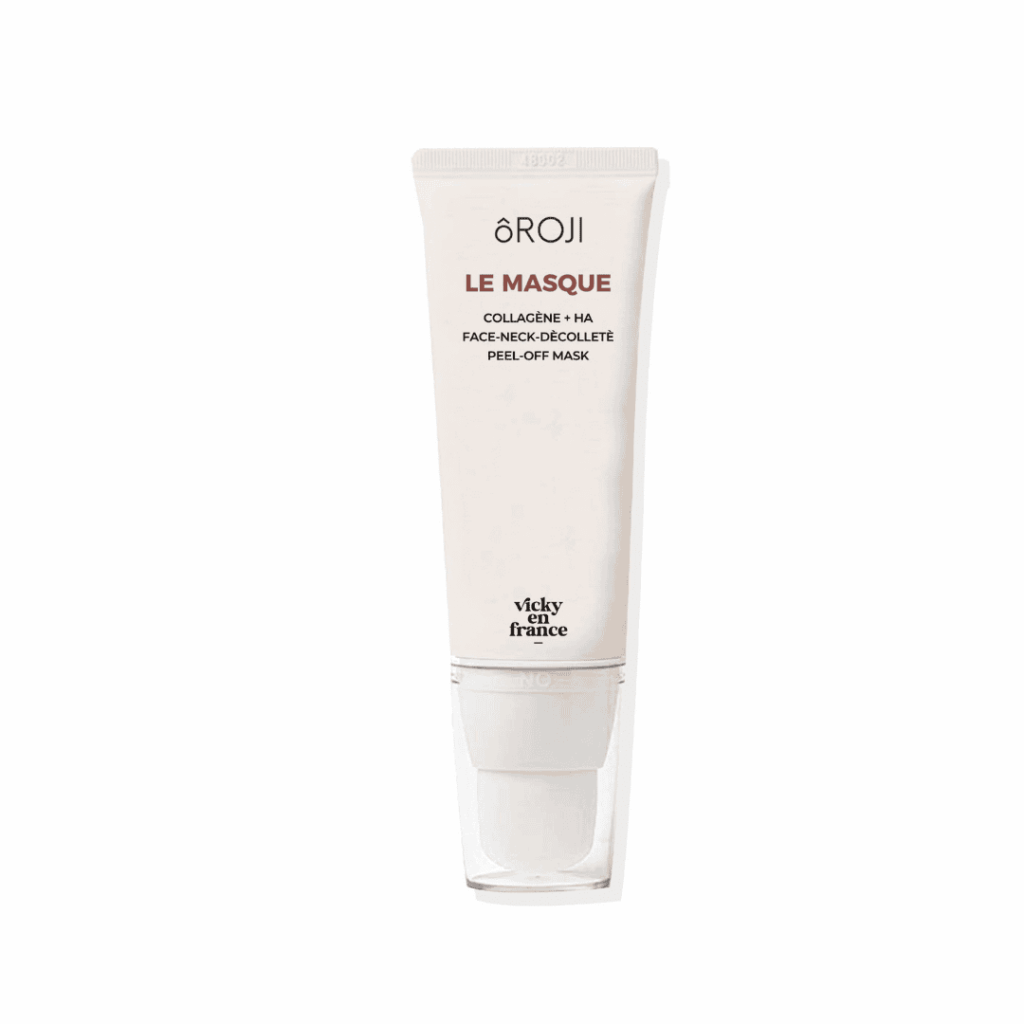
The topical side of the system is two products: a collagen peel-off mask and an egg-shaped exfoliating soap. The soap is charming in photographs and slightly comedic in the shower—you do feel faintly absurd holding a small porcelain-smooth egg—but it does what a gentle exfoliant should do without drama. The peel-off mask is more satisfying: the removal is the reward, and skin feels noticeably smoother immediately after, even if you’re sceptical about how much of that is the collagen versus the mechanical exfoliation doing the work.
The brand frames the full programme as a four- to six-week cycle. That timeframe is honestly chosen — it aligns with the window in which early hydration and elasticity changes tend to emerge in supplementation studies. I’ll note that it also conveniently aligns with a repurchase cycle, which is worth keeping in mind, though that’s true of most supplement brands.

The Honest Assessment
The question isn’t really whether eggshell membrane collagen works. The evidence suggests it probably does something useful, and the mechanism is more interesting than most of what’s currently being marketed as a collagen supplement. The question is whether you’ll use it long enough to find out.
That’s where the Vicky en France system makes its real argument. A jelly you’ll actually eat every morning, two topical products that give you something tangible to experience while you wait for the internal work to show up, and a defined timeframe that feels manageable rather than indefinite—it’s a surprisingly coherent answer to the habit problem that the rest of the industry mostly ignores.
I can’t promise your skin will transform in six weeks. Neither, to their credit, does Vicky en France. What I can say is that this is the first collagen routine I’ve used long enough to form an opinion about, which — given my track record with supplements — is probably the most honest endorsement I can offer.
The powder is still in my cupboard, by the way. The jelly isn’t.